Maintaining a pristine dental office becomes important for patient safety, regulatory compliance, and practice success. With the rapid advancements in dental technology and the evolving healthcare landscape, dental practices must adapt their cleaning protocols to meet the challenges of the future. This comprehensive guide aims to help dental professionals establish and maintain the highest cleanliness standards in their facilities for the coming years.
What Are the Essential Elements of Dental Office Cleaning?
A dental office requires specialized cleaning protocols beyond standard commercial cleaning practices. The CDC states proper cleaning and disinfection can reduce healthcare-associated infections by up to 40%. Understanding these essential elements creates a safe environment for patients and staff.
OSHA and CDC Cleaning Guidelines
Dental facilities must comply with stringent cleaning standards set by regulatory bodies. OSHA mandates specific protocols for maintaining workplace safety, particularly concerning bloodborne pathogens and infection control. These guidelines encompass personal protective equipment and proper waste disposal procedures.
Required Cleaning Equipment and Supplies
Professional dental office cleaning requires specific tools and products to maintain proper hygiene. The International Facility Management Association reports using the right equipment can increase employee productivity by up to 15%. Essential items include:
- EPA-registered hospital-grade disinfectants
- Surface barriers and sterilization equipment
- Medical-grade cleaning solutions
- Commercial-grade vacuums and microfiber mops
- Color-coded cleaning tools to prevent cross-contamination
Safety Protocols for Dental Office Cleaning
Proper safety protocols protect cleaning staff and patients. A Global Cleaning Industry study found investing in professional cleaning services leads to a 20% increase in patient satisfaction and retention. Key protocols include:
- Using appropriate PPE
- Following disinfection contact times
- Proper waste segregation
- Documenting procedures
- Regular staff training
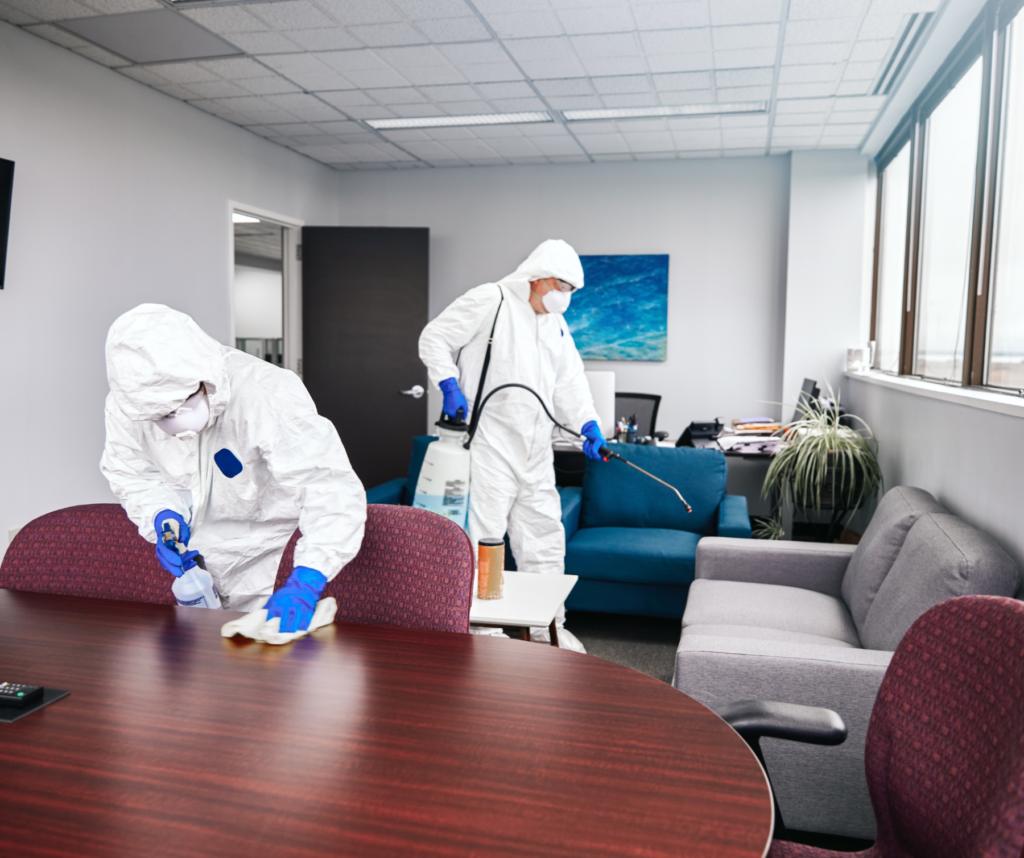
Comprehensive Daily Dental Office Cleaning Checklist
Daily cleaning tasks form the foundation of a hygienic dental practice. The Cleaning Industry Research Institute found that 70% of patients would switch practices if they perceived lacking cleanliness. Implement this comprehensive daily checklist:
Regular Disinfection of High-Touch Areas
Frequently disinfect high-touch surfaces throughout the day:
- Reception desks and countertops
- Door handles and light switches
- Patient chair controls and armrests
- Computer keyboards and phones
- Payment processing equipment
Dusting Hard Surfaces
Systematic dusting maintains a professional appearance. Focus on:
- Window sills, baseboards, and cabinet tops
- Display shelves and decorative items
- Picture frames, wall art, and light fixtures
Cleaning and Maintenance of High-Traffic Areas
Consistently clean high-traffic areas:
- Entrance and exit areas
- Waiting room, treatment room, and staff break area floors
- Hallways and corridors
Floor Cleaning and Maintenance
Clean floors based on material:
- Mop vinyl and tile floors daily
- Vacuum carpeted areas regularly
- Rotate and clean entryway mats
- Spot clean spills and stains
- Deep clean all floor surfaces weekly
Cleaning Glass Surfaces and Windows
Maintain a spotless appearance:
- Clean interior and exterior windows weekly
- Use lint-free clothes and glass cleaner
- Remove smudges from partitions and doors
- Clean mirrors and glass surfaces daily
Waste Management
Proper waste disposal is critical for infection control.
- Empty waste receptacles daily
- Dispose of contaminated waste per regulations
- Disinfect waste containers regularly
- Use color-coded bags for proper segregation
Which Areas Require Special Cleaning Attention?
Certain areas require specialized cleaning protocols to ensure safety and compliance.
Operatory Room Sanitization
Regularly deep clean treatment rooms to prevent infection spread. Meticulously clean all surfaces, mop floors, sanitize equipment, and stock supplies.
Reception and Waiting Area Protocols
Keep reception areas welcoming and comfortable by cleaning floors, dusting furniture, polishing surfaces, and regularly replacing reading materials.
Staff Areas and Utility Spaces
Don’t overlook staff lounges, break rooms, and utility areas:
- Daily clean and disinfect high-touch surfaces
- Maintain clutter-free, organized spaces
- Regularly service HVAC systems and check filters
- Weekly deep clean appliances, cabinets, and floors
When Should You Schedule Deep Cleaning Services and Office Inspections?
In addition to daily cleaning, periodic deep cleans and inspections maintain a safe, hygienic environment.
Weekly Cleaning Checklist
Weekly deep cleaning targets harder-to-reach areas:
- Vacuum-upholstered furniture and vents
- Deep clean carpets and floor mats
- Sanitize trash receptacles
- Polish furniture and fixtures
- Disinfect shared electronics
Monthly Sanitization Procedures
Monthly deep cleans prevent contaminant buildup.
- Steam clean carpets and upholstery
- Deep clean break room appliances
- Sanitize storage areas and cabinets
- Clean light fixtures and replace bulbs
- Inspect and service HVAC systems
Quarterly Deep Cleaning
Quarterly services provide an extra level of cleaning and safety.
- Deep, clean air ducts and ventilation
- Steam clean window treatments
- Power wash exterior entry points
- Deeply clean staff lounges and break rooms
- Service and sanitize dental equipment
Guarantee Your Dental Office Adheres to Cleaning Standards
Effective cleaning practices prevent cross-contamination and minimize infection risks. Adhere to OSHA’s infection prevention methods, including proper PPE use. Follow CDC recommendations for environmental infection control, such as using EPA-registered disinfectants and following manufacturer instructions.
Consider These Expert Tips for Maintaining Clean Dental Offices
Keep your practice in top shape with these expert cleaning tips:
- Assign clear responsibilities to team members
- Use EPA-registered healthcare disinfectants
- Train staff on proper cleaning techniques
- Conduct regular cleaning inspections
- Stay updated on the latest cleaning guidelines
Ensure Professional-Grade Cleanliness with Expert Dental Office Cleaning
Do not let the complexities of dental office cleaning overwhelm your staff. Dallas Janitorial Services maintains pristine dental facilities that meet all regulatory requirements. Our teams are trained in proper sanitization protocols and use hospital-grade disinfectants to uphold the highest cleanliness standards. Contact us today for a customized plan to keep your dental office spotless and compliant. Check our glowing reviews to see how we’ve helped practices exceed cleaning goals.

FAQs About Dental Office Cleaning Checklists
How often should a dental office be cleaned?
A dental office requires multiple levels of cleaning:
- Daily cleaning and disinfection of patient care areas
- Weekly deep cleaning of surfaces and equipment
- Monthly comprehensive cleaning of facilities
- Quarterly specialized cleaning for carpets and upholstery
What are the best cleaning products for a dental office?
The CDC recommends EPA-registered disinfectants with a tuberculocidal claim for clinical contact surfaces. Select products based on surface type and dental equipment compatibility.
Are there specific cleaning protocols for infection control?
Yes, OSHA and CDC provide detailed infection control guidelines for dental settings:
- Use appropriate PPE
- Follow proper disinfection procedures
- Safely handle and dispose of sharps
- Maintain sterilization logs
- Regularly train staff
What areas of a dental office require special attention during cleaning?
High-risk areas that require meticulous cleaning:
- Clinical contact surfaces (dental chairs, lights, delivery systems)
- Instrument reprocessing areas and sterilization equipment
- Laboratory and imaging areas
- Contaminated waste storage locations
Who is responsible for cleaning in a dental office?
Cleaning responsibilities are shared among staff and professional services:
- Dental assistants and hygienists handle chair-side disinfection and instrument sterilization
- Professional cleaners provide general cleaning, deep cleaning, and specialized tasks
- The entire team maintains cleanliness throughout the day