Workplace cleanliness is crucial to maintaining a happy and healthy workspace. Messy workspaces, cluttered tables, and smelly trash often have a major impact on productivity, efficiency, and more. A lack of cleanliness can even spread germs and bacteria, leading to more sick days taken. Simply put, when all employees understand how to clean office floors and common areas, everybody wins.
Most people believe they understand how to clean office floors and office surfaces properly. However, this is often not the case. This article will offer a comprehensive guide on how to clean office floors, surfaces, and objects like the pros.
Cleaning Office Floors
When entering an office space, the first thing people notice is the floor. Is the floor dirty or slippery? Does it have an irritating squeaky sound when you walk? Neglecting to maintain clean commercial floors can lead to an accumulation of dirt and grime that can become exceedingly difficult to remove.
Regular cleanings and an occasional deep cleaning are necessary to uphold health and safety in the workplace. Having clean floors means there is less of a chance of serious slips and falls. Keeping commercial floors clean also leaves a positive aesthetic impression on employees and possible clients.
Interested in learning how to clean office floors like a professional cleaning service? Here are some tips on how to clean office floors thoroughly.
Tips to Clean Office Floors
- Regularly check for cracks and breaks. If there are noticeable cracks, repair them before cleaning. Commercial floors usually take on more wear and tear than home flooring. Depending on the workspace, commercial floors tend to hold more weight due to heavy traffic and heavy equipment. This can lead to unsightly cracks and breaks in the flooring. Cracks on the floor can become a safety hazard for employees, creating a higher risk of trips and falls. Cracks in the floor can also become a home for mold and mildew.
- Learn how to clean office floors properly. Before cleaning, be sure you understand how to use the equipment. If you are unsure, consult with a professional cleaning service. Be sure the equipment is also cleaned and maintained. Otherwise, it’s possible to cause damage to the flooring.
- Learn how to clean office floors more thoroughly with waxing. Waxing floors create a visible sparkle and shine. This resource can be used for commercial floors of all kinds. Waxing can even be done on vinyl floors and concrete flooring.
- Learn how to clean office floors with tile and grout protectors. Specific cleaning solutions have protective properties that can preserve the look and health of tile flooring. Finding the perfect solution for your floors is key to long-term flooring.
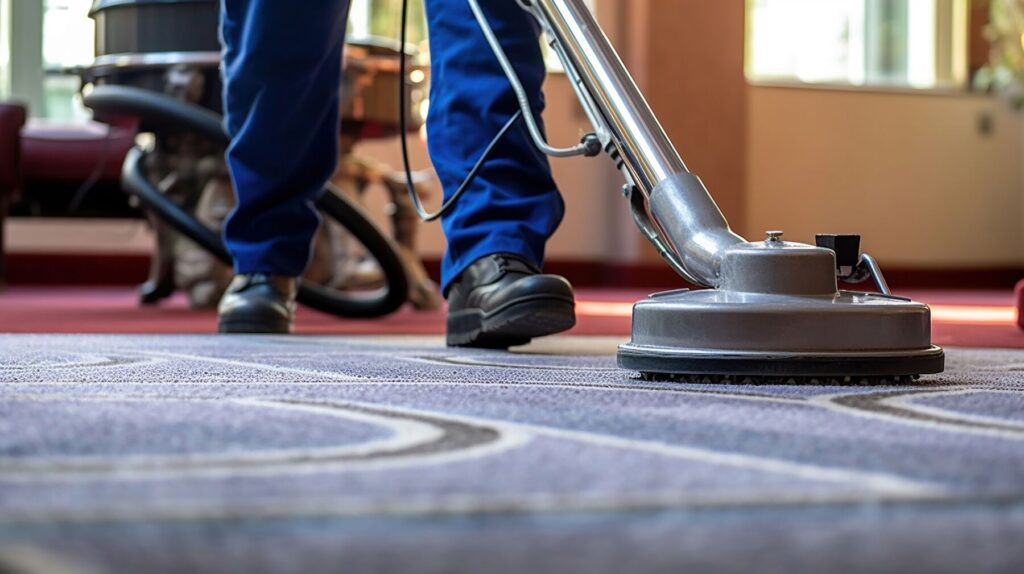
- Learn how to clean office floors by using floor scrubbers. Tile floors don’t generally respond well to vacuuming and mopping. Bigger stains and dirt buildup are often too much for those traditional cleaning methods. Floor scrubbers can dig into stains and build-up without damaging the floor. Using floor scrubbers correctly will leave a vibrant, shiny look when done correctly.
How to Clean Office Floors?
Office floors are made up of a variety of different materials. The most common types are concrete floors, tile floors, and vinyl floors. How to clean office floors depends entirely on what they’re made of. For instance, cleaning products used on tile floors may damage vinyl floors. Here is an outline of how to clean and care for the three main commercial floor types:
Concrete Flooring
Concrete floors are quite popular with businesses of all kinds. This is because they are often viewed as easier to clean. Although concrete flooring is usually an easy clean, neglecting to do so can cause unwanted dirt buildup.
Concrete is a porous material, meaning it requires a thorough drying process after cleaning. Failing to do so can lead to discoloration and staining. Concrete floors also require scrubbing, sealing, and polishing regularly to keep them healthy. Mopping and brooming should be done with a microfiber pad, while washing should be done with a neutral-pH floor cleaner.
Tile Flooring
How to clean office floors with tile starts with floor scrubbing. Floor scrubbing is a form of deep cleaning that should be done at least once every few months, while mopping should be done daily or weekly. Be sure to sweep thoroughly before mopping to remove debris or dirt. Mopping should be done from one side to the other in order to avoid dragging dirt across the floor. Use a yarn or string mop, if possible, rather than a sponge mop.
Vinyl Flooring
Vinyl floors tend to have a long life when cared for properly. Commercial floors using vinyl should be swept and vacuumed regularly. Knowing how to clean office floors requires using a damp mop with a neutral cleaning detergent to start and then moving it in a figure-eight motion. From there, water and cleaner should be added to the floor. Vinyl floors are considered to be water-resistant and highly durable.
Cleaning Break Rooms and Kitchen Areas
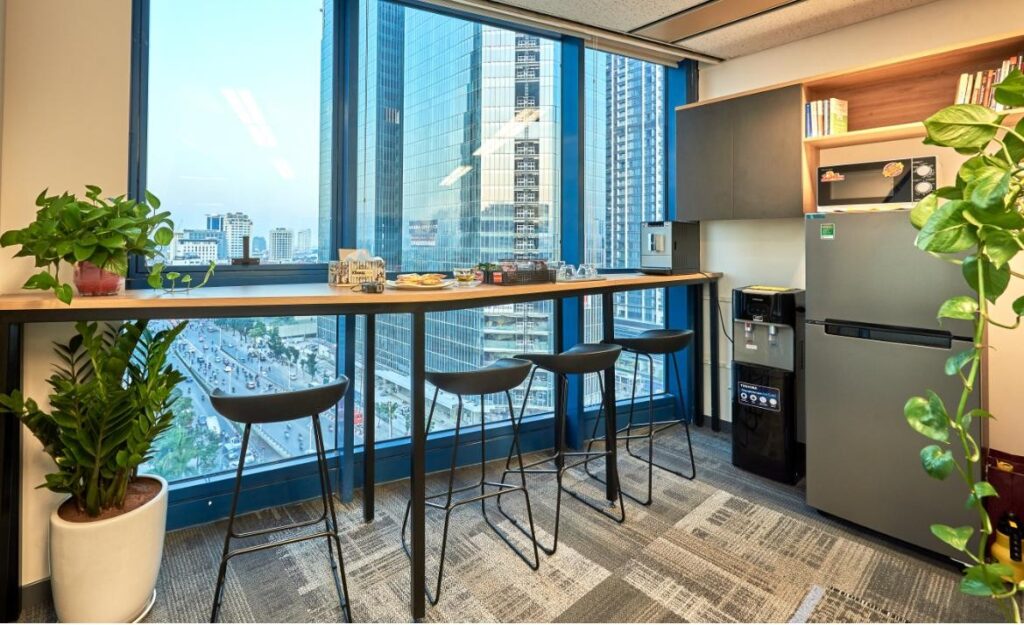
Break rooms and kitchen areas are filled with high-touch surfaces. Cleaning office floors, kitchen counters, appliances, door handles, and kitchen items requires attention to detail. Neglecting to do so may spread unwanted germs and bacteria. Here are various tips to help with daily, weekly, and monthly cleaning.
- Daily Cleaning includes wiping down tables, counters, walls, and sinks, dusting vents, light fixtures, fans, and shelves, emptying trash and coffee makers, sweeping floors and under furniture, and mopping floors, going from one side of the room to the other.
- Weekly Cleaning: Cleaning and emptying the refrigerator, scrubbing tile floors and sinks, sanitizing trash cans, garbage disposals, refrigerators, and microwaves, vacuuming all floor mats, and thoroughly wiping down windows, chairs, and walls.
- Monthly Cleaning: Thoroughly clean and sanitize trash cans, recycling bins, and refrigerators. Deep cleaning floors and carpets.
Cleaning Office Water Coolers
Water is essential for survival. That’s why maintaining a clean and sanitary water cooler is crucial for health and safety in the workplace. Employees and co-workers will likely get sick if unwanted germs and bacteria seep into the water supply. Heterotrophs like yeast, mold, and bacteria are responsible for most office-related outbreaks.
Wondering how to clean the office water cooler? It begins with these steps.
- Read the manual that comes with the water cooler. Each new water cooler has instructions, including how to clean it properly. If your water cooler does not have a manual, go online for guidance.
- Remove the bottle after unplugging it. When cleaning out the water cooler, ensure it is unplugged and no longer connected to any electrical sources.
- Using a cleaning solution. Once the bottle is removed, pour a cleaning solution in. This could be distilled white vinegar or liquid chlorine bleach mixed with water. Do not mix bleach and vinegar.
- Clean the bottle and dispenser. Wipe them thoroughly with the cleaning solution using a sponge.
- Clean the drip tray with dishwashing liquid and a microfiber cloth to remove dirt or residue.
- Clean the airflow vents. The back of the cooler has air vents. Dust and clean this section to ensure that the cooling mechanisms will work properly.
- You can put in a new water bottle. Once the new bottle is in, you can plug the cooler back in.
Caring for Office Chair Mesh
Office chairs are designed to offer comfort for long periods. When an office chair is taken care of, they can last for years without an issue. When they aren’t, office chair mesh can be riddled with dirt, dust, and sticky residue. Here are some tips on how to clean office chair mesh.
- Clean and wipe down spills immediately after an incident.
- Vacuum and wipe the chair down once a week to combat dust buildup.
- Avoid carrying pointy keys or other sharp objects in your pockets that could puncture the mesh.
- Put baking soda on the chair before vacuuming to get rid of unwanted smells.
- Wipe down wheels, legs, and armrests regularly.
- Keep the rest of the office clean to prevent dust.

Cleaning Commercial Coffee Pots
Coffee is a staple in most office spaces. While most people may use the office coffee pot, they neglect to clean it. This can lead to a build-up of residue that can affect the coffee’s taste and ultimately lead to bacterial buildup. Here are some tips on how to clean commercial coffee pots.
- Dump out any remaining coffee and rinse with water.
- Fill up the coffee maker with a water and vinegar mixture.
- Allow the water and vinegar to soak.
- Dump out the coffee maker and rinse thoroughly, scrubbing gently.
Elevate Productivity with Our Spotless Cleaning Services
Offices require consistent care to prevent potentially harmful dust, dirt, and bacteria buildup. Employees feel unsafe when commercial floors, kitchens, and surfaces are unclean. This leads to poorer productivity and higher levels of illness in the workplace. That’s why offices need an expert cleaning service on their side.
At Dallas Janitorial Services, we understand what it takes to create a safe and healthy work environment. Our specialty is cleaning office floors, surfaces, appliances, and bathrooms. At Dallas Janitorial, we possess the necessary equipment, experience, and expertise to complete the job efficiently and effectively.
Ready to hire a cleaning service you can rely on for the long haul? Contact Dallas Janitorial Services today!
Frequently Asked Questions About Office Cleaning
How do you clean office tile floors?
How to clean office floors with tile flooring begins with sweeping and vacuuming. From there, mop the entire floor with a mix of cleaner and warm water. Be sure to dry the floor thoroughly upon completion.
How to clean office floors like a professional?
When asking how to clean office floors like a professional, it’s important to consider specific products and equipment.
- Floor scrubbers are designed to remove dust and dirt
- Large, powerful commercial vacuum cleaners
- Specific cleaning solutions for each type of floor
How often should you clean commercial wood floors?
Wood floors should be cleaned every day. Inconsistent cleaning can result in a buildup of dust and grime, taking away the aesthetic appeal. How to clean office floors with wood depends on the condition of the wood and what the wood needs. Wood floors should be finished monthly with wood finishing products.
What is the fastest way to clean floors?
The fastest way to clean office floors is by using vinegar, dish soap, and warm water. Combine one-quarter cup of vinegar with a drop of dish soap and warm water in a spray bottle. Use a damp microfiber mop and wash the floor with the solution.
How do I make my commercial floor shine?
Be sure to understand how to clean office floors before shining. Without cleaning properly, dirt and grime will still be embedded in the floor. Connect with a professional cleaning service to learn how to clean office floors.
Floor shining requires:
- Regular vacuuming.
- Using proper tools and cleaners.
- Having mats in the entrances.
- Avoid dragging furniture across the floor.