Maintaining a clean office environment in Dallas requires systematic protocols that address high-traffic contamination, dust accumulation, and allergen management, all of which are unique to Dallas’s climate. Effective strategies for keeping Dallas offices clean combine daily maintenance routines, specialized equipment care, and professional-grade disinfection targeting high-touch surfaces. Understanding how to keep Dallas offices clean reduces workplace illness by 60%+ while maintaining professional appearances, attracting clients, and retaining employees.
What is How to Keep Dallas Offices Clean?
How to keep Dallas offices clean encompasses proven methodologies to maintain hygienic, organized, and productive work environments throughout Dallas-Fort Worth metropolitan facilities. These evidence-based strategies address Dallas-specific challenges, including seasonal pollen accumulation, urban dust infiltration, and high-traffic area maintenance. Professional approaches to keeping Dallas offices clean prevent bacterial growth, improve indoor air quality, and create positive impressions supporting business success.
Why Keeping Dallas Offices Clean Matters
Professional office cleaning services implement systematic protocols, preventing disease transmission, costing U.S. employers $225.8 billion annually in lost productivity, according to CDC data. Knowing how to keep Dallas offices clean eliminates pathogens from surfaces where employees spend 40+ hours weekly, reducing healthcare-associated infections and absenteeism. Neglecting proper cleaning protocols can create negative impressions, damaging business relationships, and increasing employee illness rates to exceed 50% in improperly maintained facilities.
Dallas offices face unique environmental challenges requiring specialized attention. Urban activity introduces elevated dust levels, seasonal allergies affect 25%+ of Dallas residents, and high-rise building maintenance demands expertise. Proper cleaning strategies address these location-specific factors, maintaining facilities that meet professional standards.
Essential Daily Maintenance for Dallas Offices
Baseline cleanliness requires consistent attention to fundamental tasks, preventing contamination accumulation:
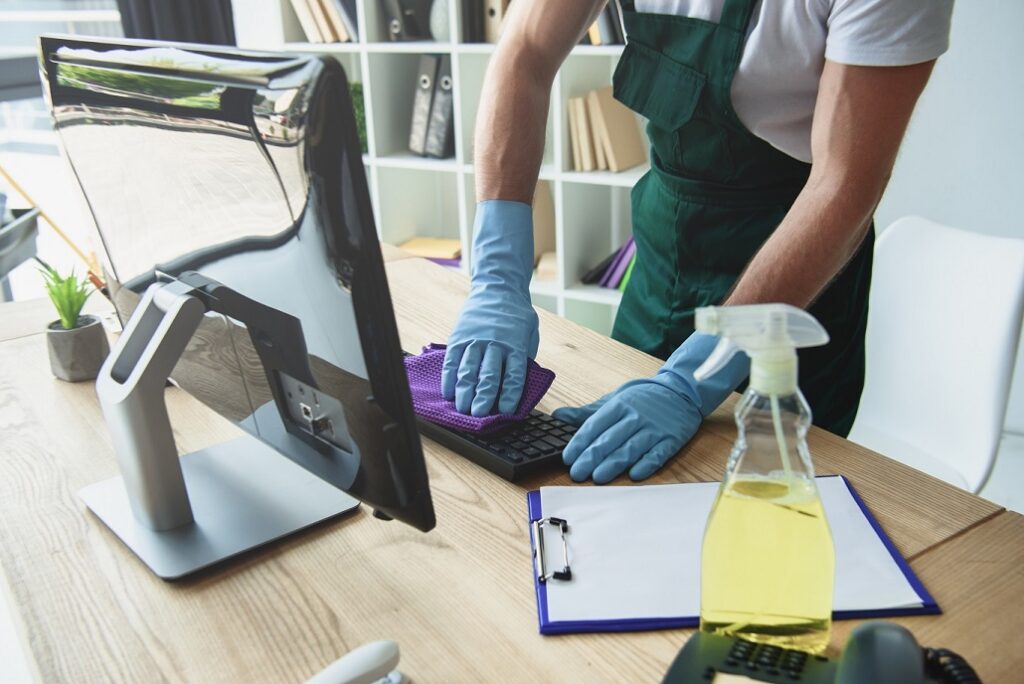
- High-Touch Surface Disinfection: Keyboards, phones, elevator buttons, and door handles harbor 400 times more bacteria than toilet seats, requiring daily EPA-registered disinfectant application. Contact time compliance ensures pathogen elimination, preventing cross-contamination throughout facilities.
- Trash and Recycling Management: Empty waste bins daily, preventing odor development, pest attraction, and overflow conditions compromise professional appearance. Strategic bin placement throughout high-traffic areas encourages proper disposal habits, reducing clutter accumulation.
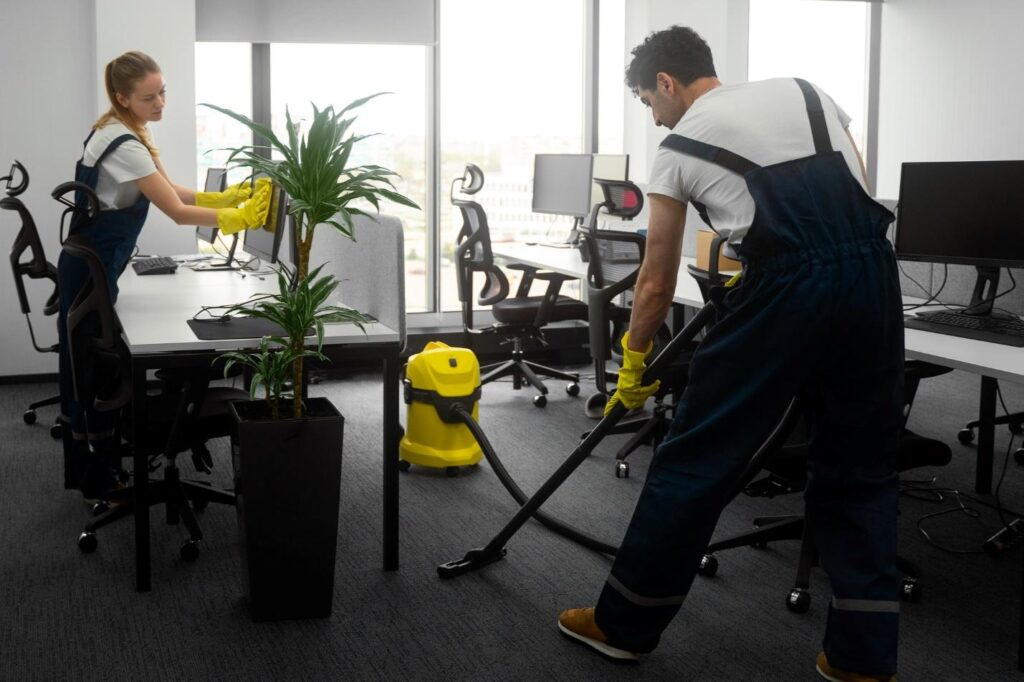
- Floor Care Protocols: Vacuum carpeted areas and sweep hard surfaces daily, removing tracked-in soil, preventing wear patterns, and embedded grime. Dallas’s urban environment introduces significant outdoor contamination requiring vigilant floor maintenance.
- Desk Organization Standards: Clear working surfaces before leaving, enabling effective after-hours cleaning while reducing employee stress and improving focus. Organized workstations facilitate thorough disinfection, preventing missed areas harboring bacterial growth.
- Restroom Excellence: Clean toilets, sinks, mirrors, and high-touch fixtures daily using healthcare-grade disinfectants. Restroom conditions directly influence client perceptions and employee satisfaction scores, affecting retention and business development.
These daily strategies maintain baseline hygiene, preventing the extensive remediation efforts required when contamination accumulates beyond manageable levels.
Managing Dallas-Specific Environmental Challenges
Dallas offices encounter unique cleaning obstacles shaped by climate, geography, and urban activity:
- Seasonal Pollen Management: Spring and fall allergy seasons introduce substantial pollen accumulation on surfaces and circulating through HVAC systems. HEPA-filter vacuuming, air purification systems, and increased dusting frequency combat seasonal allergen challenges affecting employee comfort and productivity.
- Urban Dust Control: Dallas’s construction activity and traffic generate persistent dust infiltration requiring enhanced entrance mat systems and frequent surface cleaning. Extended commercial-grade mats (6+ feet) inside and outside entrances capture 80% of tracked-in contamination before reaching interior spaces.
- Climate Considerations: Hot, dry conditions create static electricity, attracting dust to electronics and surfaces while air conditioning systems circulate particulates. Increased surface wiping and HVAC filter replacement maintain air quality during the summer months.
- High-Rise Building Maintenance: Downtown Dallas offices in high-rise structures require specialized window cleaning, enhancing natural light and professional appearance. Clean windows improve employee morale while showcasing organizational commitment to facility excellence.
Addressing these Dallas-specific challenges through targeted cleaning protocols maintains pristine environments supporting employee well-being and business success.
Strategic Cleaning Supply Organization
Proper supply management improves efficiency while preventing workflow interruptions during critical cleaning tasks:
- Centralized Storage Systems: Designate accessible closets storing complete cleaning inventories, including EPA-registered disinfectants, microfiber cloths, HEPA-filter vacuums, and specialty products. Centralization enables inventory tracking, preventing supply shortages and disrupting maintenance schedules.
- Commercial-Grade Product Selection: Choose formulations designed for high-traffic commercial environments rather than residential products. Commercial cleaners contain higher active ingredient concentrations, providing superior pathogen elimination and longer-lasting results.
- Water-Based Solutions: Select water-based cleaners for electronics and heat-generating equipment, preventing fire hazards associated with solvent-based alternatives. Water-based products have higher flashpoints, tolerating elevated temperatures without combustion risk.
- Fragrance-Free Implementations: Use fragrance-free products accommodating employees with chemical sensitivities, respiratory conditions, or scent preferences. Unscented cleaners prevent negative reactions, improving workplace comfort and compliance.
- Supply Accessibility: Position cleaning stations throughout facilities, enabling immediate spill response and convenient task completion. Accessible supplies increase employee participation in maintaining cleanliness between professional service visits.
Strategic supply management reduces costs through bulk purchasing while ensuring appropriate products remain available for specialized cleaning applications.
High-Touch Surface Disinfection Excellence
Shared equipment and frequently contacted surfaces require specialized protocols to prevent disease transmission:
- Proper Contact Time: Allow disinfectants full manufacturer-specified contact time—typically 30 seconds to 10 minutes—before wiping surfaces. Immediate wiping prevents complete pathogen elimination, compromising disinfection effectiveness.
- Electronics-Safe Products: Use isopropyl alcohol solutions (70% concentration) or electronics-specific wipes, preventing moisture damage to sensitive components. Avoid spray bottles potentially introduce liquid into electronic cavities, causing permanent equipment damage.
- Frequency Standards: Disinfect shared equipment between users and personal workstations minimum once daily. High-traffic periods may require multiple daily cleaning cycles, maintaining pathogen control.
- Proper Application Technique: Wipe surfaces using unidirectional strokes, preventing recontamination from dirty cloth sections. Replace cleaning cloths frequently, avoiding cross-contamination between workstations and departments.
- Critical Area Identification: Prioritize elevator buttons, door handles, light switches, coffee stations, and copy machines experiencing the highest contact frequency. These hotspots require enhanced attention to prevent facility-wide contamination spread.
Following evidence-based disinfection protocols prevents the 50%+ illness transmission rates occurring in facilities using improper cleaning techniques or inadequate frequencies.
Floor Protection and Maintenance Systems
Strategic floor management prevents damage while reducing long-term cleaning time and replacement costs:
- Entrance Mat Programs: Place commercial-grade mats inside and outside entrances, capturing tracked-in soil before reaching interior spaces. Extended mat length (6+ feet) provides optimal protection during Dallas’s occasional inclement weather.
- Mat Maintenance Schedules: Vacuum or shake mats daily, preventing soil saturation, diminishing capture effectiveness. Replace worn mats immediately, maintaining protective capabilities and professional appearance.
- Traffic Pattern Analysis: Identify high-traffic pathways requiring increased cleaning frequency and protective treatments. Strategic runner placement protects flooring from accelerated wear in heavily used corridors and lobbies.
- Seasonal Protocol Adjustments: Increase mat coverage and cleaning frequency during the spring pollen season and occasional winter precipitation. Enhanced protocols prevent slip hazards while protecting flooring from moisture and contaminant damage.
- Professional Deep Cleaning: Schedule quarterly extraction cleaning, removing embedded allergens, dust mites, and pollutants that standard vacuuming cannot address. Professional extraction significantly improves air quality, supporting respiratory health.
Floor protection strategies reduce replacement costs, averaging $3-$15 per square foot while maintaining professional appearance throughout facility lifecycles.
Indoor Air Quality Improvement Strategies
Air quality significantly impacts Dallas office employee health, cognitive performance, and satisfaction:
- Systematic Dust Removal: Clean surfaces from ceiling-level downward, including cabinet tops, ceiling vents, and wall-ceiling junctions where particulates accumulate. Top-down cleaning prevents the redistribution of settled dust onto previously cleaned surfaces.
- Plant Care Protocols: Clean plant leaves, removing dust accumulation, diminishing air-purifying capabilities. Healthy plants absorb volatile organic compounds, improving indoor air quality naturally.
- HVAC System Maintenance: Replace air filters according to manufacturer specifications, typically monthly in commercial environments. Clean filter systems reduce airborne particulates, improving respiratory comfort and equipment efficiency.
- Ventilation Optimization: Maximize fresh air circulation during moderate temperature periods, reducing recirculated air containing allergens and contaminants. Enhanced ventilation during Dallas’s spring and fall months improves comfort.
- Air Purification Systems: Install HEPA-filter air purifiers in conference rooms and high-occupancy areas, capturing 99.97% of particulates 0.3 microns or larger. Supplemental purification addresses limitations in existing HVAC systems.
Enhanced air quality reduces respiratory complaints by 35%+, improves focus, and decreases sick building syndrome symptoms affecting workplace productivity and satisfaction.
IT Equipment and Electronics Maintenance
Technology requires specialized cleaning, preventing damage while eliminating bacterial growth:
- Keyboard Cleaning: Studies show office keyboards harbor 400 times more bacteria than toilet seats, requiring regular attention. Use compressed air to remove debris, followed by electronics-safe disinfectant wipes addressing pathogen accumulation.
- Phone Sanitization: Phones contact facial skin, hands, and mouths, transferring bacteria and viruses directly. Daily disinfection using electronics-safe products prevents cross-contamination between employees and clients.
- Monitor and Screen Care: Fingerprints and dust accumulation compromise visibility and professional appearance. Microfiber cloths with screen-safe cleaners remove contamination without scratching delicate surfaces.
- Shared Equipment Protocols: Copy machines, printers, and conference room technology experience multiple user contacts daily, requiring between-use disinfection. Post-sanitizing wipes near shared equipment encourage user participation in cleanliness maintenance.
- Professional Service Integration: Complex IT equipment benefits from professional cleaning services using specialized tools and techniques, preventing damage. Annual professional cleaning extends equipment lifespan, reducing replacement costs.
Proper IT maintenance prevents equipment failures costing businesses $5,600 per minute according to industry data, while reducing illness transmission through contaminated surfaces.
Break Room and Kitchen Area Excellence
Often-neglected spaces require consistent attention to prevent food safety issues and pest attraction:
- Refrigerator Management: Remove expired items weekly, implementing color-coded dating systems. Monthly deep cleaning with water-dish soap solution eliminates odors and bacterial growth, preventing cross-contamination.
- Microwave Sanitization: Wipe interiors daily after use, preventing food residue accumulation, attracting pests. Steam cleaning with a water-vinegar solution loosens stubborn deposits, enabling thorough cleaning.
- Coffee Station Standards: Clean coffee makers weekly, including water reservoirs where mineral deposits and bacterial biofilms form. Descaling products remove buildup, maintaining equipment performance and coffee quality.
- Sink and Counter Protocols: Sanitize sinks, countertops, and faucets daily using food-safe disinfectants. Standing water and food particles create breeding grounds for bacteria requiring vigilant attention.
- Communal Area Policies: Establish clear policies requiring users to clean spills immediately and dispose of food waste properly. Posted guidelines encourage accountability, improving maintenance consistency between professional cleaning visits.
Proper break room maintenance prevents pest infestations requiring expensive professional extermination while maintaining food safety standards, protecting employee health, and organizational liability.
Restroom Sanitation and Maintenance
Restroom cleanliness directly influences business perception, employee satisfaction, and regulatory compliance:
- Disinfectant Selection: Use EPA-registered products effective against norovirus, influenza, and healthcare-associated pathogens, providing broad-spectrum protection. Quaternary ammonium compounds deliver reliable pathogen elimination for commercial applications.
- Critical Surface Prioritization: Focus on toilet handles, stall locks, sink faucets, paper towel dispensers, and door handles harboring the highest contamination levels. These surfaces require multiple daily disinfections to maintain sanitary conditions.
- Floor Cleaning Protocols: Mop using a clean solution changed frequently, preventing cross-contamination. Work from cleanest to dirtiest areas, preventing soil redistribution, compromising cleaning effectiveness.
- Supply Management: Check and replenish soap, paper products, and hand sanitizer multiple times daily. Empty supplies create negative impressions while compromising hygiene and regulatory compliance.
- Odor Control: Address odors at the source through proper ventilation, drain cleaning, and waste management rather than masking with fragrances. Odor-free restrooms demonstrate proper maintenance and professional standards.
Excellence in restroom maintenance prevents disease transmission while demonstrating organizational commitment to employee welfare and professional facility standards.
Clutter Prevention and Organization Systems
Strategic organization simplifies cleaning while improving productivity and professional appearance:
- Digital-First Documentation: Implement paperless workflows, reducing physical file accumulation. Digital documentation requires minimal physical storage while improving accessibility and disaster recovery capabilities.
- Storage Infrastructure: Provide adequate shelving and storage furniture, keeping supplies accessible while removing clutter from visible surfaces. Vertical storage maximizes space efficiency in compact Dallas office footprints.
- Minimalist Desk Policies: Encourage employees to maintain minimal personal items on desks, reducing dust-collecting surfaces and cleaning obstacles. Personal items should have designated storage locations, maintaining a professional appearance.
- Regular Purging Schedules: Conduct quarterly organization sessions, removing unused materials, outdated documents, and unnecessary equipment. Systematic purging prevents accumulation, requiring extensive cleanup efforts.
- Filing Systems: Organize essential physical files in labeled cabinets, preventing desk clutter. Clear filing protocols ensure document accessibility while maintaining clean working environments.
Organized environments enable thorough cleaning, reduce employee stress, averaging 20% productivity improvements, and create professional appearances, impressing clients and supporting recruitment efforts.

Dallas Office Cleaning Approach Comparison
Different cleaning strategies offer distinct advantages for commercial facilities:
| Approach | Implementation Frequency | Staff Time Investment | Pathogen Reduction Rate | Annual Cost per 5,000 sq ft |
| Employee-Only Daily Tasks | Continuous daily | 20-30 min/employee daily | 55-65% reduction | $8,000-$12,000 (labor) |
| Weekly In-House Deep Clean | Weekly comprehensive | 6-8 hours total weekly | 70-80% reduction | $15,000-$25,000 (labor + equipment) |
| Professional Bi-Weekly Service | Every 2 weeks | Minimal employee time | 85-90% reduction | $18,000-$28,000 (service) |
| Professional Weekly Service | Weekly professional | Minimal employee time | 90-95% reduction | $30,000-$45,000 (service) |
| Hybrid Daily + Weekly Pro | Daily basic + weekly deep | 10-15 min/employee + scheduled | 95%+ reduction | $22,000-$35,000 (optimal ROI) |
Professional services deliver superior results through specialized equipment, commercial-grade products, and trained technicians implementing systematic protocols unavailable to most organizations.
Variation by Dallas Office Type
Cleaning strategies adapt to specific facility characteristics and operational requirements:
- Downtown High-Rise Offices: Emphasize window cleaning, maximizing natural light and skyline views, lobby maintenance, creating positive first impressions, and elevator sanitation, preventing cross-contamination among hundreds of daily users. Coordinate cleaning schedules with building management systems.
- Suburban Corporate Campuses: Focus on expansive parking lot maintenance, landscaping debris management, and multiple building coordination. Large footprints require systematic zone-based cleaning and dedicated custodial staff.
- Coworking and Flex Spaces: Prioritize rapid-turnover surface disinfection between users, continuous supply replenishment, and flexible furniture arrangement cleaning. Multiple daily disinfection cycles accommodate high-density user patterns.
- Professional Service Offices: Maintain reception areas and client-facing spaces to the highest standards, conference room preparation before meetings, and private office discretion respecting confidential materials. Professional appearance directly influences client acquisition.
- Tech and Creative Spaces: Address unique challenges, including extensive electronics, open floor plans facilitating contamination spread, and integrated break areas. Accommodate unconventional hours with flexible cleaning schedules.
Each Dallas office type presents distinct challenges requiring customized approaches, maximizing hygiene while supporting specific operational needs and professional standards.
Professional Cleaning Service Benefits
Organizations discover professional services provide advantages beyond in-house cleaning capabilities:
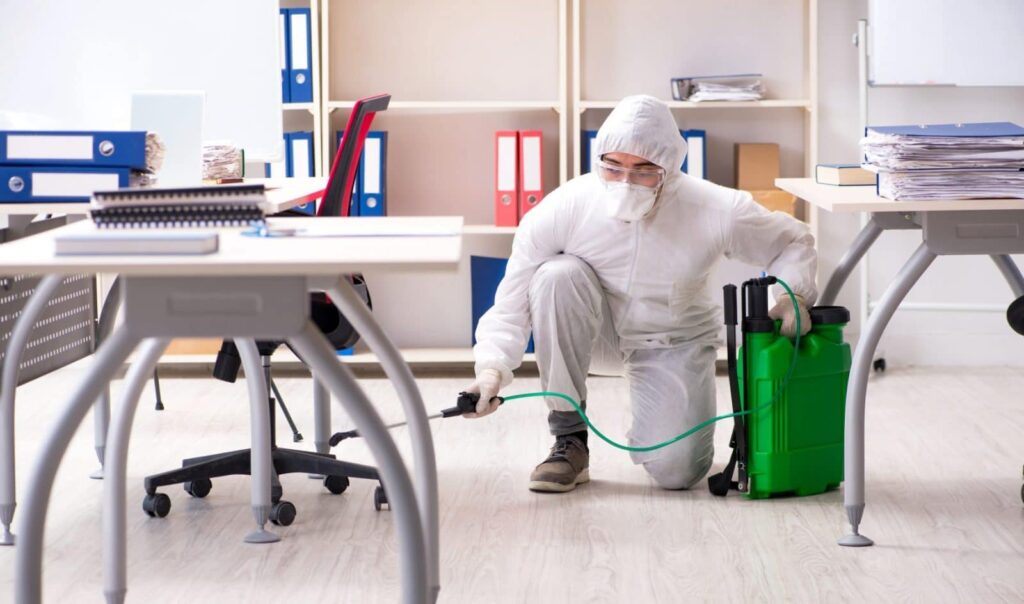
- Specialized Equipment Access: Professional services utilize HEPA-filter vacuums, commercial extractors, electrostatic sprayers, and equipment costing $50,000+ unavailable to most organizations. Advanced tools deliver deeper cleaning and superior pathogen elimination.
- Trained Technician Expertise: Certified professionals understand proper product selection, contact times, cross-contamination prevention, and industry best practices. Expertise prevents costly mistakes while ensuring regulatory compliance.
- Consistent Quality Results: Professional services provide reliable outcomes regardless of employee absences, workflow changes, or competing priorities. Service-level agreements guarantee standards maintain facility excellence.
- Total Cost Efficiency: Outsourcing eliminates equipment purchases, supply management, training costs, insurance expenses, and employee time diversion. Total ownership cost analysis often favors professional partnerships.
- Flexible Scaling: Services adjust according to seasonal needs, special events, organizational growth, and budget constraints. Flexible agreements prevent overpaying during slow periods while ensuring capability during peak demands.
- Liability Protection: Professional services carry comprehensive insurance protecting organizations from cleaning-related injuries and property damage. Insurance transfers risk, reducing organizational exposure.
Professional partnerships enable organizations to focus on core competencies while maintaining exceptional facility conditions, supporting business objectives and employee wellbeing.
Implementing Dallas Office Cleaning Protocols
Systematic implementation ensures cleaning strategies deliver intended hygiene and productivity results:
- Schedule Development: Create written cleaning schedules assigning specific tasks to designated times and responsible parties. Documented schedules ensure accountability, preventing overlooked areas, compromising facility hygiene.
- Training Programs: Provide proper technique training, product safety information, quality standards, and regulatory compliance guidance for personnel performing cleaning tasks. Training prevents injuries and ensures effectiveness.
- Quality Monitoring: Conduct regular inspections, verifying cleaning standards, identifying overlooked areas, and recognizing excellent performance. Monitoring maintains consistency while enabling continuous improvement.
- Supply Management Systems: Implement inventory tracking, preventing shortages disrupting maintenance schedules. Automated reordering ensures critical supplies remain available.
- Cultural Integration: Foster workplace culture valuing cleanliness through leadership modeling, recognition programs, and clear expectations. Cultural support sustains long-term success beyond initial implementation enthusiasm.
- Performance Metrics: Track key indicators including employee satisfaction scores, illness rates, client feedback, and cleaning efficiency. Data-driven management enables objective evaluation and continuous optimization.
Successful implementation requires commitment, adequate resources, and ongoing attention to maintain standards benefiting organizations through improved health, productivity, and professional image.
Get Professional Strategies for How to Keep Dallas Offices Clean
How to keep Dallas offices clean protects your workplace investment through systematic protocols, preventing disease transmission, and maintaining professional appearances? Professional cleaning strategies reduce illness-related absenteeism by 60%+, whereas improper maintenance allows bacterial proliferation, damaging business reputation and employee wellbeing. Dallas Janitorial Services brings decades of commercial facility expertise to Dallas-Fort Worth organizations requiring customized cleaning solutions. Contact us today at 214-778-3689 for a comprehensive office cleaning assessment and service planning.
FAQs About How to Keep Dallas Offices Clean
How to keep Dallas offices clean with daily maintenance routines?
Daily maintenance for keeping Dallas offices clean includes disinfecting high-touch surfaces like keyboards and door handles, emptying trash bins, preventing overflow, vacuuming high-traffic floor areas, organizing desk surfaces, and thoroughly cleaning restrooms. These fundamental tasks maintain baseline hygiene, preventing bacterial accumulation requiring extensive remediation. Consistent daily attention reduces deep cleaning frequency, lowering long-term costs while maintaining professional appearance and employee health.
How to keep Dallas offices clean during allergy season?
Keeping Dallas offices clean during spring and fall allergy seasons requires enhanced protocols, including increased dusting frequency using HEPA-filter vacuums, air purifier systems capturing airborne pollen, frequent HVAC filter replacement, and extended entrance mat systems preventing outdoor allergen introduction. Dallas’s high pollen counts affect 25%+ of residents, making seasonal protocols essential. Enhanced cleaning during peak allergy periods reduces employee discomfort and absenteeism, supporting productivity maintenance.
How to keep Dallas offices clean with proper supply management?
Effective supply management for keeping Dallas offices clean involves centralized storage areas, tracking inventory, commercial-grade product selection appropriate for high-traffic environments, water-based cleaners for electronics safety, fragrance-free options accommodating sensitivities, and strategic supply station placement throughout facilities. Proper organization prevents shortages, disrupting cleaning schedules while reducing costs through bulk purchasing. Accessible supplies encourage employee participation in maintenance between professional service visits.
How to keep Dallas offices clean in high-rise buildings?
High-rise Dallas offices require specialized approaches including professional window cleaning services enhancing natural light, elevator sanitization preventing cross-contamination among hundreds of daily users, lobby maintenance creating positive first impressions, and coordination with building management systems. Downtown locations face unique challenges, including limited access hours and shared system dependencies. Professional services experienced in high-rise facilities deliver optimal results addressing these complexities.
How to keep Dallas offices clean with a limited budget?
Budget-conscious strategies for keeping Dallas offices clean include hybrid approaches combining employee daily tasks with periodic professional services, prioritizing high-impact areas like restrooms and reception spaces, implementing preventive measures like entrance mats, reducing cleaning needs, and negotiating flexible service agreements matching organizational resources. Strategic investments in quality supplies and equipment reduce long-term costs through improved efficiency. Professional assessments identify optimal resource allocation, maximizing results within budget constraints.
How to keep Dallas offices clean with remote employees?
Offices with remote employees require adjusted cleaning protocols, including reduced daily service frequency in low-occupancy areas, enhanced disinfection when employees visit, flexible scheduling accommodating variable usage patterns, and maintained standards in client-facing spaces regardless of employee presence. Remote work reduces wear and contamination, enabling cleaning budget reallocation. Professional services customize protocols matching actual facility usage, optimizing costs while maintaining professional standards for client visits.
How to keep Dallas offices clean with professional services?
Professional services for keeping Dallas offices clean provide specialized equipment, trained technicians, consistent quality, flexible scheduling, comprehensive insurance, and regulatory compliance expertise. Services typically include surface disinfection, floor care, restroom sanitation, trash removal, supply restocking, and specialized tasks like carpet extraction. Service agreements specify scope, frequency, quality standards, and pricing, ensuring transparency. Professional partnerships enable organizations to focus on core business while maintaining exceptional facility conditions.
How to keep Dallas offices clean, addressing IT equipment?
IT equipment cleaning for Dallas offices requires electronics-safe products, preventing moisture damage, compressed air to remove keyboard debris, microfiber cloths to clean screens without scratching, and scheduled professional service for complex equipment. Studies show keyboards harbor 400 times more bacteria than toilet seats, requiring regular attention. Proper IT maintenance prevents equipment failures costing businesses $5,600 per minute while reducing illness transmission through contaminated technology surfaces.