Tipping hotel cleaning staff recognizes essential service workers maintaining sanitary guest accommodations daily. Professional hotel cleaning services recommend tipping $3-5 per night for standard rooms and higher amounts for suites or exceptional service. Understanding proper tipping etiquette demonstrates appreciation while supporting hospitality workers earning service-dependent wages.

What Is Tipping Hotel Cleaning Staff?

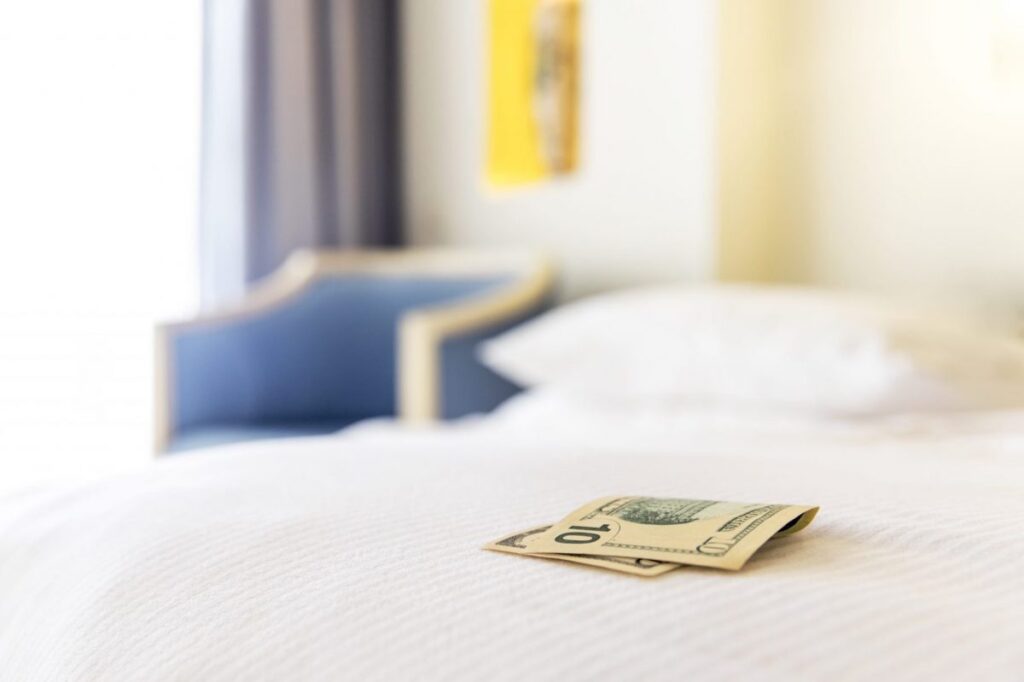
Tipping hotel cleaning staff means providing voluntary gratuities directly to housekeepers who clean and maintain guest rooms. Standard practice suggests leaving cash tips in envelopes marked “Housekeeping” on pillows or nightstands. Industry guidelines recommend daily tipping since different housekeepers may service rooms on different shifts, ensuring each worker receives fair compensation.

Why Tipping Hotel Cleaning Staff Matters

Tipping hotel cleaning staff provides essential economic and social benefits, supporting workers and service quality:

  • Income Supplementation: Housekeepers perform physically demanding work cleaning 10-20 rooms daily while earning often minimum-wage base compensation. Tips provide crucial income portions supporting family financial needs and supplementing inadequate base wages typical in hospitality employment.
  • Recognition of Invisible Labor: Unlike front desk staff and valets receiving consistent gratuities, housekeepers frequently encounter guests who overlook their contributions. Research demonstrates that only 27% of guests consistently tip housekeeping staff despite widespread tipping of other service workers performing visible roles.
  • Worker Retention Support: Appreciating cleaning staff through monetary recognition reduces turnover costs while maintaining experienced cleaning teams. Consistent tipping improves service quality as workers feel valued and motivated, maintaining premier hospitality standards.
  • Service Quality Incentive: Tipping creates direct performance feedback, encouraging housekeepers to maintain high standards and responsive service. Financial recognition motivates workers to exceed baseline requirements while demonstrating appreciation for exceptional attention to detail.

Tipping recognition addresses structural compensation inadequacies within hospitality industry employment models while validating essential contributions to maintaining sanitary guest accommodations.

Variation by Facility Type

Hotel tipping practices vary significantly based on property classification, service level expectations, and regional tipping customs:

  • Luxury Hotels: Recommend $5-10 per night reflecting premium service expectations and enhanced attention to detail. Housekeepers provide turndown service, arrange decorative elements, and accommodate special requests, justifying increased gratuity amounts.
  • Business Hotels: Suggest $3-5 per night supporting standard professional cleaning while acknowledging business traveler convenience expectations. Mid-tier properties balance quality service with efficient turnover requirements.
  • Extended-Stay Properties: Recommend weekly tips of $20-40, recognizing reduced cleaning frequency but comprehensive service when performed. Weekly tipping accommodates residential-style occupancy patterns where guests may select cleaning schedules.
  • Budget Accommodations: Suggest $2-3 per night, acknowledging essential service despite limited amenity packages. Budget property housekeepers maintain baseline sanitation standards while managing high room quotas, justifying gratuity recognition.

Facility type adaptations ensure tipping customs match service complexity and worker compensation structures supporting fair recognition across hospitality segments.

Standard Tipping Amounts and Guidelines

Standard tipping amounts balance generosity with practical considerations, recognizing service quality, room size, and occupancy factors:

  • Standard Rooms: Recommend $3-5 per night for typical accommodations with one or two occupants. Baseline amounts acknowledge standard bed-making, bathroom cleaning, and surface sanitization, maintaining guest comfort.
  • Suites and Large Rooms: Suggest $7-10 per night reflecting increased square footage, multiple bathrooms, and extended cleaning time. Additional space requires proportionally more effort, justifying higher gratuity amounts.
  • Extended Stays: Recommend $5-7 per night when housekeeping services occur, recognizing accumulated debris and thorough attention required. Longer occupancies generate greater cleaning challenges meriting enhanced tip consideration.
  • Special Circumstances: Suggest an additional $5-10 for exceptional service, extra requests, or significant messes. Guests should increase tips when requesting additional towels, early service, or creating unusual cleaning requirements.
  • Holiday Periods: Recommend doubling standard tips during major holidays, recognizing workers sacrificing family time to support guest accommodations. Holiday premium demonstrates enhanced appreciation for service during high-demand periods.

Guideline flexibility allows personal judgment to adapt amounts to specific circumstances and service quality experienced during hotel stays.

Proper Tipping Methods and Timing

Proper tipping methods ensure housekeepers receive intended gratuities while maintaining professional protocols:

  • Daily Cash Tips: Leave cash in sealed envelopes labeled “Housekeeping” or “Thank You” on pillows or nightstands. Daily tipping ensures each housekeeper receives compensation, as different workers may service rooms throughout stays, following systematic hotel cleaning approaches requiring recognition.
  • Envelope Usage: Use hotel-provided tip envelopes when available or create makeshift envelopes from paper, securing cash inside. Clear labeling prevents confusion with forgotten money and communicates intentional gratuity provision.
  • Visible Placement: Position tips prominently on pillows, nightstands, or bathroom counters where housekeepers immediately notice them. Discrete placement in drawers or under items may result in overlooked tips remaining uncollected.
  • Checkout Tips: Leave final tips on checkout morning rather than the night before, ensuring housekeepers completing turnover service receive recognition. Check-out tips acknowledge the comprehensive cleaning required for room preparation, accepting new guests.

Proper methods prevent tip confusion while ensuring intended recipients receive gratuities reflecting guest appreciation and service recognition.

Tipping Customs Across Different Regions

Regional tipping customs influence expectations, requiring awareness of geographic variations and cultural norms:

  • United States: Maintain widespread tipping culture, expecting 15-20% service industry gratuities, including hotel housekeeping. American workers often rely on tips as substantial income portions, making gratuities essential compensation components.
  • Europe: Demonstrate mixed practices with some countries including service charges in accommodation rates, while others expect smaller discretionary tips. Research specific country customs before travel, as cultural expectations vary significantly across European regions.
  • Asia: Show diverse approaches, with some cultures considering tipping offensive while others embrace Western customs. Japanese hotels traditionally discourage tipping, while Southeast Asian properties increasingly adopt gratuity expectations influenced by international tourism.
  • Latin America: Generally expect modest tips comparable to United States practices, though amounts may reflect lower cost structures. Research local customs as expectations vary between tourist destinations and domestic travel areas.

Cultural awareness prevents awkward situations while demonstrating respect for local customs and worker expectations across international travel destinations.

Comparison of Tipping Methods and Effectiveness

Understanding different tipping methods helps guests select the most effective approaches, ensuring housekeepers receive fair compensation:

Tipping MethodConvenienceWorker ReceptionTracking DifficultyRecommended Use
Daily Cash TipsModerate effortShared among the teamMinimal trackingBest practice
Checkout Lump SumHigh convenienceCheck out Lump SumModerate trackingMultiple-night stays
Front Desk EnvelopeHigh conveniencePossible distribution delayHigh trackingUncertain protocol
Credit Card Tip LineHighest convenienceDelayed receptionTax reportingBackup option only
Thank You NotesMinimal effortHigh appreciationNo monetary valueSupplement to cash

Daily cash tipping provides the most reliable compensation, ensuring each housekeeper receives direct recognition for personal service. Front desk distribution and credit card tips face potential distribution delays or reduced amounts after processing fees and tax implications.

Implementing effective tipping strategies requires consideration of practical application factors:

  • Cash Availability: Maintain small bills throughout travels, enabling daily tipping without requiring frequent change requests. ATM withdrawals and front desk change requests provide cash access when arriving without adequate small denominations.
  • Envelope Preparation: Create tip envelopes using hotel stationery or personal notepaper, sealing cash with clear “Housekeeping” labels. Prepared envelopes prevent last-minute rushing and demonstrate thoughtful consideration for worker recognition.
  • Tipping Consistency: Establish routine patterns, leaving tips same time daily, building reliable expectations. Consistent timing ensures housekeepers anticipating gratuities receive compensation without uncertainty or delayed discovery.
  • Amount Adjustment: Adapt tip amounts reflecting service quality, room condition upon arrival, and special circumstances requiring extra attention. Flexibility allows recognition, adjusting for exceptional service or addressing inadequate baseline compensation.

Strategic tipping implementation balances convenience with effectiveness, ensuring housekeepers receive fair compensation while guests maintain manageable travel routines.

Tax Implications and Legal Considerations

Tipping hotel cleaning staff involves tax and legal dimensions affecting both guests and workers:

  • Worker Tax Obligations: Hotel housekeepers must report all tip income as taxable earnings subject to federal and state income taxes. Many workers rely on tip income to supplement base wages, making accurate reporting essential for tax compliance and benefit calculations.
  • Hotel Reporting Requirements: Properties employing tipped workers maintain reporting obligations tracking aggregate tip income for tax purposes. Some hotels automatically add service charges to bills, distributing portions to housekeeping staff through formal payroll processes, subject to withholding.
  • Service Charge Distinctions: Mandatory service charges differ from voluntary gratuities, with hotels retaining discretion over distribution methods. Guests should verify whether automatic charges reach housekeeping staff or supplement general operational revenues.
  • Guest Tax Deductions: Business travelers cannot typically deduct hotel housekeeping tips as separate expenses, though overall accommodation costs may qualify for business deduction when traveling for work purposes. Personal travel tips provide no tax benefit for guest tax filings.

Understanding tax implications helps guests make informed decisions while respecting worker obligations, maintaining compliance with tax reporting requirements.

When Not to Tip Hotel Cleaning Staff

Specific circumstances may warrant withholding or reducing tips reflecting service issues or property policies:

  • Included Service Charges: Review bills for mandatory service charges, distributing fees to housekeeping staff. When charges explicitly cover housekeeping gratuities, additional tipping becomes optional, though small supplemental amounts remain appreciated gestures.
  • Significant Service Failures: Consider withholding tips when encountering uncleaned rooms, missing requested items, or disregarded service instructions. Document issues with management before final checkout, ensuring problems receive attention while protecting withholding rationale.
  • No-Tipping Policy Properties: Respect establishments implementing no-tipping policies, paying housekeepers enhanced base wages, and eliminating gratuity expectations. Some luxury properties and international hotels adopt no-tipping models, requiring research before travel.
  • Extended Negotiated Rates: Corporate contracts and extended-stay negotiations sometimes include comprehensive service packages covering housekeeping without separate gratuity expectations. Verify agreement terms before assuming tipping obligations apply.

Circumstantial awareness prevents inappropriate withholding while ensuring tips reward deserving service rather than subsidizing inadequate property standards or compensation structures.

Teaching Children About Tipping Etiquette

Teaching children proper tipping practices instills service appreciation and financial responsibility:

  • Explaining Service Value: Help children understand the physical effort required for cleaning hotel rooms, noting bed-making difficulty, bathroom scrubbing, and attention to maintaining cleanliness standards. Concrete explanations build empathy for service workers performing essential invisible labor.
  • Involving Kids in Tipping: Allow children to participate in tip preparation by sealing envelopes, writing thank-you notes, or placing tips on pillows. Active involvement creates memorable learning experiences, reinforcing service appreciation values.
  • Discussing Fair Compensation: Teach children about wage structures, explaining that housekeepers often earn minimum wages, relying on tips to supplement income. Age-appropriate financial literacy lessons connect tipping practices with broader economic understanding.
  • Modeling Consistent Behavior: Demonstrate reliable tipping practices throughout travels, establishing consistent examples that children observe and internalize. Parental modeling provides powerful learning opportunities, shaping lifelong service appreciation habits.

Educational approaches transform routine hotel stays into valuable teaching moments, building children’s understanding of service economy dynamics and interpersonal respect.

Alternative Ways to Show Appreciation

Beyond monetary tips, guests can demonstrate appreciation through additional recognition methods supporting housekeeper morale:

  • Thank You Notes: Leave handwritten notes expressing specific appreciation for service quality, attention to detail, or responsiveness to requests. Personal messages provide emotional recognition, complementing financial gratuities.
  • Positive Reviews: Mention exemplary housekeeping service in online hotel reviews and direct feedback to management. Public recognition supports worker performance evaluations, potentially influencing promotions and raises.
  • Tidying Efforts: Maintain reasonable room orderliness by bagging trash, consolidating towels, and stripping beds on checkout, reducing housekeeper workload. Considerate guest behavior demonstrates respect for workers’ time and effort.
  • Request Recognition: Inform the front desk or management about exceptional service, encouraging formal employee recognition programs. Management acknowledgment validates worker contribution,s supporting retention and advancement opportunities.

Multi-faceted appreciation combines monetary recognition with emotional support, creating comprehensive acknowledgment of housekeeper contributions to guest experiences.

Professional Hotel Cleaning Standards and Worker Conditions

Understanding professional cleaning standards and worker conditions contextualizes tipping importance supporting hospitality industry workers:

  • Daily Quota Pressures: Housekeepers typically clean 10-20 rooms per eight-hour shift, maintaining strict time pressures averaging 20-45 minutes per room. Hotel room cleaning time requirements create physically demanding workloads, justifying fair compensation recognition.
  • Physical Demands: Position involves repetitive bending, lifting, pushing, and reaching, causing musculoskeletal injuries at rates exceeding many industries. Physical strain justifies recognition through tips acknowledging the demanding nature of essential hospitality work.
  • Compensation Structures: Many housekeepers earn minimum wage or slightly above, relying heavily on tips to supplement their base income. Inadequate base compensation makes gratuities essential rather than optional income components for worker financial stability.
  • Career Advancement Limitations: Housekeeping positions often offer limited upward mobility, requiring workers to remain in physically demanding roles throughout their careers. Tipping provides income enhancement opportunities partially compensating for restricted advancement pathways.

Worker condition awareness contextualizes tipping as essential support rather than optional courtesy, recognizing structural compensation inadequacies within hospitality employment models.

Get Professional Hotel Cleaning Services from Dallas Janitorial Services

Understanding tipping hotel cleaning staff etiquette demonstrates respect for essential hospitality workers maintaining sanitary guest accommodations. Proper gratuities supplement wages while validating physically demanding invisible labor performed daily. Dallas Janitorial Services brings decades of hospitality facility expertise to Dallas-Fort Worth hotel operators. Contact us today at 214-778-3689 for a customized hotel cleaning assessment and professional service implementation.

Frequently Asked Questions About Tipping Hotel Cleaning Staff

What is the standard tip amount for hotel cleaning staff?

Standard tip amounts range from $3 to 5 per night for typical hotel rooms, with higher amounts for suites or extended stays. Luxury properties warrant $5-10 per night, reflecting enhanced service expectations, while budget accommodations suggest $2-3 per night.

Additional circumstances like holiday periods, special requests, or exceptional service merit increased gratuities. Daily tipping ensures each housekeeper receives compensation, as different workers may service rooms throughout stays.

Should I tip hotel housekeeping every day or at checkout?

Daily tipping proves most effective, ensuring each housekeeper receives compensation, as different workers may service rooms on different days. Leave cash in labeled envelopes on pillows or nightstands each morning before departing rooms.

Check out lump sum tipping works for single-night stays, but risks unequal distribution during longer visits. Daily recognition provides fair compensation reflecting actual service received from individual housekeepers maintaining rooms throughout stays.

Where should I leave tips for hotel housekeeping staff?

Leave tips in visible locations where housekeepers immediately notice them during cleaning routines. Place sealed envelopes labeled “Housekeeping” or “Thank You” on pillows, nightstands, or bathroom counters.

Avoid hiding tips in drawers, under items, or obscure locations, risking overlooked gratuities. Clear labeling prevents confusion, distinguishing intentional tips from forgotten money or personal belongings requiring safekeeping.

Do hotels automatically include housekeeping tips in bills?

Some hotels add mandatory service charges to bills, but distribution to housekeeping staff varies by property policy. Review itemized bills, identifying automatic gratuities, and inquire at check-in whether charges reach housekeeping workers.

When service charges explicitly cover housekeeping, additional tipping becomes optional, though small supplemental amounts remain appreciated. Many properties do not include automatic housekeeping tips, making cash gratuities essential worker compensation.

Is tipping hotel housekeeping staff expected internationally?

International tipping customs vary significantly, requiring research before travel to different countries and regions. The United States maintains widespread tipping expectations, while European practices vary by country, with some including service charges.

Asian customs demonstrate diversity, with Japanese culture traditionally discouraging tips, while Southeast Asian properties increasingly expect gratuities. Research specific destination customs, respecting cultural norms while supporting workers when appropriate.

Posted in