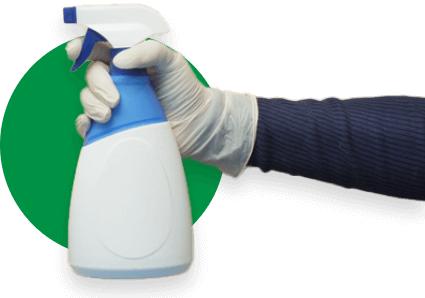
In these uncertain times, businesses have to be especially diligent when it comes to cleaning and disinfecting. The threat of a global pandemic has made it painfully clear just how important and necessary it is for houses, churches and other places to be clean and disinfected. If you are operating high-traffic areas where customers come and go and workers come into contact with them and each other on a regular basis, then you owe it to everyone to make sure you are providing the cleanest, safest environment possible.
Unfortunately, COVID-19 has made this already difficult task almost impossible for a business owner to tackle alone. This is why it’s necessary to hire an industrial disinfecting cleaning service to tackle this job for you. By bringing in a professional cleaning service, you can rest assured knowing that you are doing everything in your power to keep your staff and employees safe. Here’s how industrial disinfecting services provide this peace of mind.
Industrial Disinfecting Services use knowledgeable, trained staff
The main advantage of hiring a reputable cleaning service comes in the form of knowledge and training. Just like any other work, cleaning properly takes time, effort and talent. These qualities only come in the form of experience and training. By hiring a professional cleaning service, you know you’re getting people who are trained in how to clean properly, regardless of (and because of) the current safety crisis.
Even more, industrial services should be up to date on the most recent guidelines from OSHA and other regulatory bodies. Without this knowledge, even the best cleaning services can get it wrong, creating a work environment that leaves your business open not only to health problems but legal ones as well. It’s simply not worth the risk to leave this sort of task in the hands of those not prepared and trained for the job, which is why hiring an industrial disinfecting service like Dallas Janitorial Services is the right way to go.
Industrial Disinfecting Services are prepared for all surfaces and areas
One of the main challenges when it comes to cleaning and disinfecting a business is the sheer variety of places encountered. An office complex is not the same as a hospital, for example, and both of those places are different from a school. And yet, the same tough, stringent standards must be met in those places, as well as others.
What can be so different about all of these places? In a word, everything. Different environments have different surfaces that can not all be cleaned the same way. Whether you’re dealing with glass doors, wooden furniture, wallpaper, or countless other types of surfaces, it takes the right tools to clean effectively. The same is true for floors – concrete, linoleum, tile, carpet and others all require specialized methods to be properly disinfected and ready for customers and staff. In addition to these surfaces, each type of place has different features such as break rooms, toilets, or sterilized areas that must be cleaned properly.
Professional cleaning services are prepared to tackle all of these environments and more. We at Dallas Janitorial Services have the knowledge and equipment needed to clean all areas and surfaces of your business, regardless of the unique challenges that it may offer.
Industrial Disinfecting Services are safer
When you try to tackle a cleaning job by yourself, the temptation is to find the strongest cleaner you can find. While this can clean a surface, it’s often unsafe due to harsh chemicals that can rest on surfaces or make it into the air.
Professional services, on the other hand, often have access to a variety of products that can handle even the toughest jobs while keeping the air safe to breathe and the various surfaces safe to touch. These greener chemicals also provide more environmental protections, which lets you know you and your business are doing your part to keep your entire community safe – not just those who are walking through your doors!
Industrial Disinfecting Services let you rest easy
Another of the main advantages to hire a professional cleaning service is the peace of mind that comes with it, knowing you have made the safe choice. As a business owner, the last thing you want is to provide an unsafe environment that can get you in legal trouble and, even worse, cause potential health problems to customers and staff.
Hiring the right professional service provides that peace of mind because it allows you to know that the health of your workers and customers is in the best possible hands. This peace of mind allows you to focus on what you really would like to focus on – running your business.
Even better, a professional service should bring peace of mind because it comes with a guarantee. Any cleaning service worth hiring should be able to provide documentation that its services are backed by licensing bodies that matter. Dallas Janitorial Services, for example, is HUB certified, which means we have been through a rigorous licensing process. This certification lets you know that your business is being cleaned by the best.
Not happy with the work being done? A final way you can rest easy is knowing that the work being done is backed by a money-back guarantee. Dallas Janitorial Services offers a full guarantee, so you know we’re prepared to stand by our work and provide you with amazing service.
As you can see, hiring an industrial disinfecting service should be a crucial part of any business plan. Even without the current health crisis, a service like this is important for your staff and customers. In the middle of a pandemic, however, it’s impossible to overstate how vital a high-quality service like this can be. Make the right choice, and contact us at Dallas Janitorial Services today!